Campfires can be a great part of your camping adventure, but have detrimental impacts if not managed properly. Leave No Trace practice encourages campers to consider a camp stove for cooking instead of a fire to leave the least impact, but if you choose to have a fire, it’s important to be aware of how fires can affect the environment, and how to responsibly build and fully extinguish your campfire.
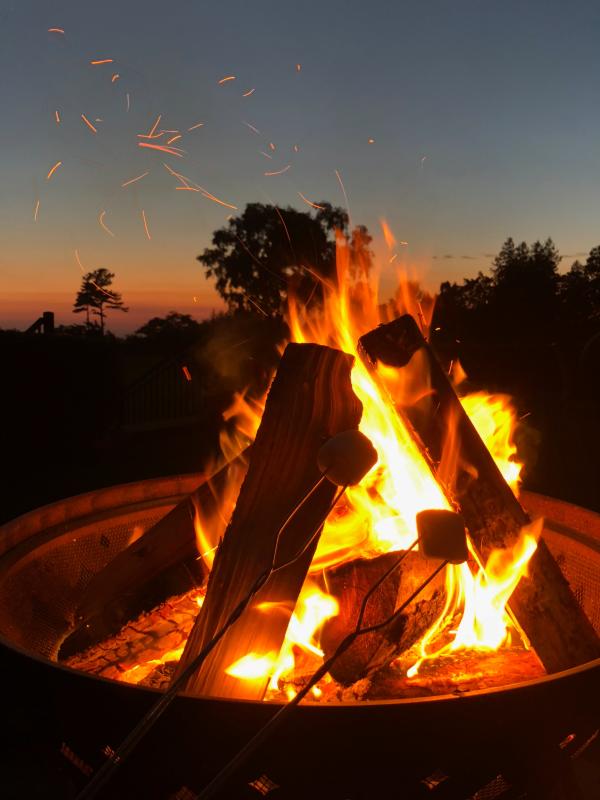
Before having a campfire, Leave No Trace says to ask yourself these questions first:
-
Are you allowed to have a fire or are there current fire restrictions in place?
-
What is the fire danger for the time of year and your selected location?
-
Is there sufficient wood so its removal will not be noticeable? Is wood gathering allowed in your location? (Firewood is a common carrier of invasive species. if buying firewood- remember to buy it no more than 30 miles from where you plan to burn it.)
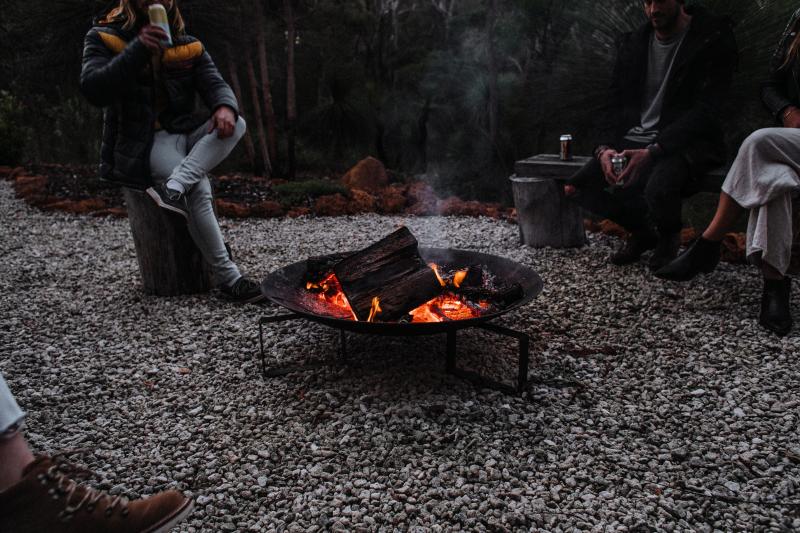
Reference the US Forest Service fire condition map for more information on current fire restrictions and danger in your area. Once you check the fire condition/restrictions and choose to have a fire remember these basic fire safety tips:
-
The best place to build a fire is within an existing fire ring in a well-placed campsite.
-
Keep the fire small and burning only for the time you are using it.
-
Allow the wood to burn completely to ash.
-
Put out fires with water, not dirt. Dirt may not completely extinguish the fire.
-
Make sure the ashes are cool to the touch before leaving your fire.
-
Avoid building fires next to rock outcrops where the black scars will remain for many years.

To read more about best fire practices while camping check out Leave No Trace’s website.
Additional Tips to Help Leave No Trace:
-
Debris burning is the top cause of wildfires in Michigan. Make sure you have permission to burn by checking local ordinances or referencing this DNR Burn Permits map.
-
What’s a Clean Fire? Burning trash and hazardous materials is illegal in Michigan and releases harmful pollutants into the air. This is not only dangerous to breathe in but can contaminate groundwater and soil as well.
Find more info on fire safety here.